How to Preventing Rust on Metal with Powder Coating
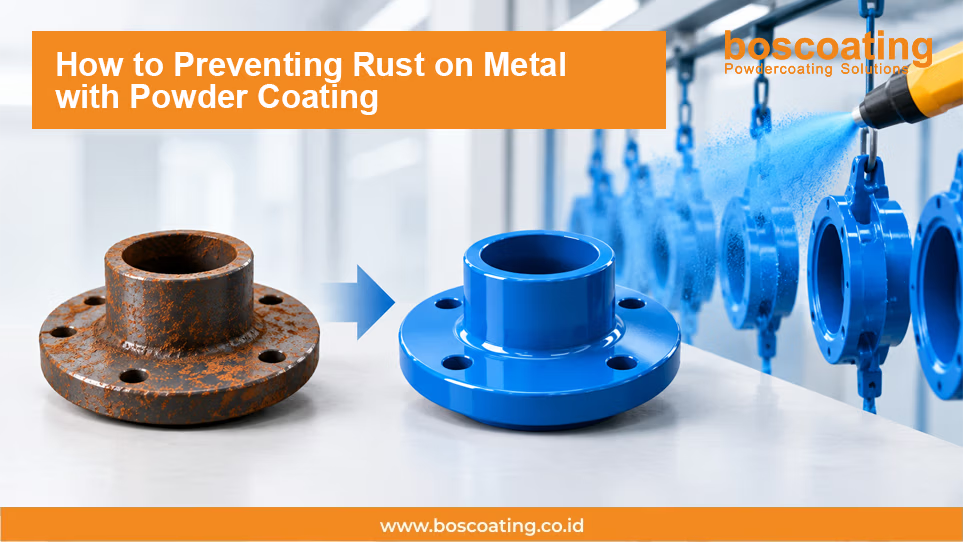
Rust is a common problem that occurs on various metal components. Fences, frames, household appliances, vehicles, furniture, and machine parts can experience rust when their surfaces are continuously exposed to water, humidity, and certain environmental conditions.
Besides disrupting appearance, rust that is left untreated can spread further and affect the condition of the metal surface. Therefore, rust protection should be done from the start, especially on components used in the long term or located in environments that easily cause corrosion.
One method that can be used to help protect metal surfaces is powder coating.
Why Do Metal Components Rust?
Rust is a common form of corrosion that occurs on iron-based metals. This process happens when the metal surface reacts with oxygen and water or moisture. Some conditions that can increase the risk of rust include:
- Exposure to water and humidity
- Rainwater
- Humid environments
- Prolonged exposure to air
- Salt-containing environments
- Exposure to certain chemicals
- Damage to the metal's protective layer
The more often a metal surface is exposed to these conditions without proper protection, the greater the likelihood of corrosion occurring.
How to Prevent Rust on Metal Components?
Rust prevention can be done in several ways, starting from maintaining surface conditions to applying protective coatings.
1. Keep the Surface Clean and Dry
Water and humidity are important factors in the rust formation process. Therefore, keeping metal surfaces clean and dry can help reduce the risk of corrosion.
Components exposed to water should be dried immediately. For outdoor use, periodic inspections also need to be carried out because surfaces are more frequently exposed to rain, dust, and weather changes.
2. Apply a Protective Layer to the Surface
Another way to help prevent rust is by applying a protective coating to the metal surface.
This layer acts as a barrier between the metal surface and the surrounding environment. In this way, direct contact between the metal and water, humidity, and other factors that can trigger corrosion can be reduced.
One method widely used to provide protection as well as finishing on metal components is powder coating.
What Is Powder Coating?
Powder coating is a finishing method that uses special powder as a surface coating material. The powder is applied to the metal surface and then goes through a heating process to form a layer that adheres to the material surface.
Unlike simply applying color, powder coating provides two functions at once: Visual finishing + surface protection
Because of this, powder coating is widely used on various metal components that require a neat appearance along with protection against environmental conditions.
How Does Powder Coating Help Prevent Rust?
Powder coating forms a layer on the metal surface. This layer helps reduce direct contact between the material and the surrounding environment.
Simply put, the mechanism can be described as:
Metal surface → Powder coating layer → Outer environment
When the layer is in good condition, the metal surface has additional protection against environmental exposure.
However, powder coating does not mean making metal completely free from corrosion risks. Protection is still influenced by surface preparation quality, type of powder coating, application process, layer thickness, and usage conditions.
Therefore, the powder coating process needs to be carried out properly so that the layer can deliver optimal results.
Factors Determining Powder Coating Protection
1. Surface Preparation
Before powder coating is applied, the condition of the metal surface must be addressed.
Surfaces that still contain oil, dust, dirt, or other contaminants can affect the coating results. Therefore, surface preparation is one of the important stages in the powder coating process.
A well-prepared surface helps produce a more even layer with appropriate adhesion.
2. Type of Powder Coating
Not all powder coatings have the same characteristics. The choice of powder type needs to be tailored to the needs and usage conditions of the component. Consider whether the component will be used:
- Indoors
- Outdoors
- In high-humidity environments
- In weather-exposed areas
- In specific environments that potentially accelerate corrosion
Choosing the right type of powder coating helps ensure the layer matches its application needs.
3. Layer Thickness
Layer thickness is also an important part of the powder coating process.
The layer needs to be applied according to specified requirements and specifications. Inappropriate thickness can affect layer characteristics and the final result.
Therefore, powder coating thickness needs to be considered along with other factors, not just based on surface appearance.
4. Environmental Conditions
Usage location also affects coating durability.
Components used indoors face different conditions compared to components placed outdoors. Exposure to rain, humidity, sunlight, and other environmental conditions can affect coating lifespan.
The harsher the environmental conditions, the more important it is to select an appropriate protection system.
Can Powder Coating Be Used on Already Rusted Metal?
Powder coating should not be applied directly to surfaces that still have rust.
Rust and surface contaminants need to be addressed first so that the material has appropriate surface conditions before the coating process is performed.
If the surface is not prepared properly, the final result and layer adhesion can be adversely affected.
Therefore, surface preparation is a vital part of the powder coating process, especially when components require protection against corrosion.
Powder Coating vs Other Metal Protections
Powder coating is not the only method available to protect metal from corrosion. There are various other methods, such as conventional painting, galvanization, and other surface protection methods.
Method selection needs to consider:
- Type of material
- Environmental conditions
- Desired appearance
- Level of protection needed
- Usage requirements
- Maintenance process
Powder coating is an attractive choice because it combines surface protection and finishing into a single process.
How to Maintain Powder Coating so It Continues to Protect the Surface?
After the coating process is complete, maintenance is still required. Avoid impacts or scratches that could damage the layer. Conduct periodic inspections to check for:
- Scratches
- Peeling layers
- Discoloration
- Rust spots
- Other surface damage
If damage is found, inspection and handling should be carried out promptly so the area does not develop into a larger problem.
Conclusion
Preventing rust on metal components can be achieved by keeping surfaces clean and dry, choosing appropriate materials, and providing additional protection to surfaces.
Powder coating is one method that can be used to help protect metal components while providing a neat finish. The powder coating layer serves as a barrier between the metal surface and the environment, thereby helping reduce exposure that triggers corrosion.
However, protection results are not determined by the powder coating alone. Surface preparation, selection of powder type, layer thickness, application process, environmental conditions, and maintenance all play a role in determining the final result.
With the right protection system and finishing process, metal components can have better-protected surfaces while maintaining an appearance that meets your needs.