Metal Finishing for Interior Applications and Best Practices
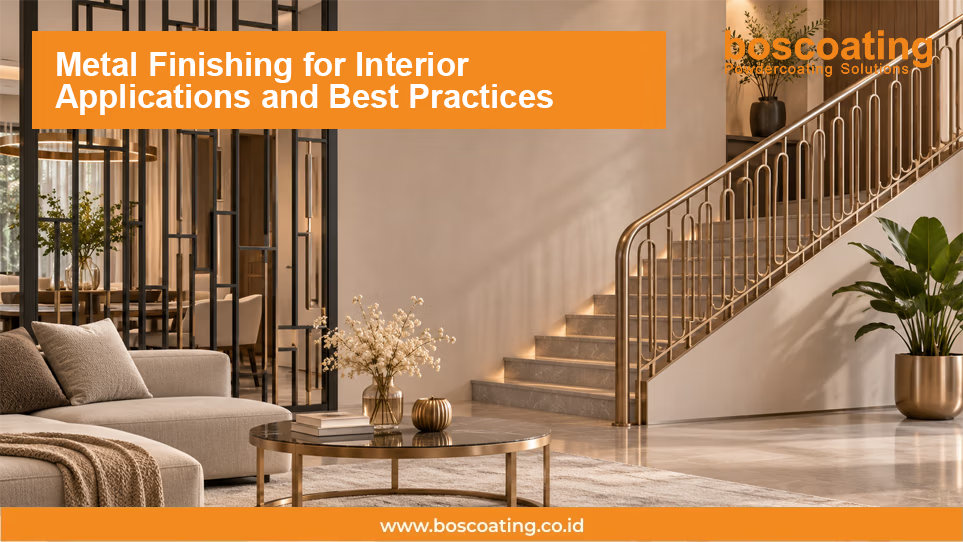
Dengan perencanaan yang tepat sejak tahap desain, pemilihan material, surface preparation, hingga proses coating, elemen metal dapat memiliki tampilan yang konsisten sekaligus memberikan performa yang sesuai dengan kebutuhan interior.
However, choosing a finish for interior metal is not simply about selecting an attractive color. The finish also helps protect the surface, maintain its appearance, and ensure that the material is suitable for the function and conditions of the space.
Powder coating is one finishing option that can be used for a wide range of interior metal applications. However, several factors should be considered before selecting a finish to ensure the final result meets the project's requirements.
Why Is Finishing Important for Interior Metal?
Metal without an appropriate finish can experience changes in appearance or surface deterioration over time. Dust, humidity, contact, friction, and everyday use can all affect the condition of the metal surface. A suitable finish can provide several benefits, including:
- Protecting the metal surface.
- Helping reduce the risk of corrosion.
- Improving resistance to everyday use.
- Providing color and visual character.
- Making maintenance easier.
- Creating a consistent appearance across different elements.
For this reason, finishing should be considered part of the design process rather than simply the final step after fabrication.
Consider the Function of the Metal Element
The first thing to consider is how the metal will be used. A decorative metal panel has different requirements from a component that is frequently touched or handled every day.
For example, a decorative metal panel may place greater emphasis on appearance, while a railing, furniture frame, or shelving system may require a finish that can withstand more intensive everyday use. Metal can serve many different purposes in an interior, including:
- Decorative elements.
- Furniture and fixtures.
- Partitions.
- Shelving and displays.
- Railings and handrails.
- Cabinets and storage.
- Architectural elements.
Understanding the function of the product helps determine the appropriate level of protection and finishing system.
Consider the Metal Material
The type of metal also influences the choice of finish. Common materials used in interior applications include:
- Mild steel or carbon steel.
- Aluminium.
- Stainless steel.
Each material has different surface characteristics, which means the preparation process may also differ. For mild steel, for example, corrosion protection is an important consideration. Aluminium and stainless steel have different characteristics when it comes to surface preparation and coating adhesion.
Therefore, the substrate material should be identified before selecting the finishing system.
Consider the Interior Environment
Although a product is used indoors, interior environments are not all the same. A dry office has different conditions from a kitchen, bathroom, commercial space, or area that is frequently cleaned using chemical cleaning agents.
Some factors to consider include:
- Humidity levels.
- Frequency of use.
- Exposure to water.
- Contact with chemicals.
- Cleaning frequency.
- Number of people using the space.
The more demanding the environment, the more important it becomes to select a finish with performance appropriate for those conditions.
Choose the Required Level of Protection
Not every interior product requires the same level of durability. A decorative element that is rarely touched may have relatively simple protection requirements. In contrast, furniture, railings, shelving, and fixtures that are used every day may require greater resistance to scratches, friction, and minor impacts.
Some aspects to consider include:
- Corrosion resistance.
- Scratch resistance.
- Resistance to everyday use.
- Ease of maintenance.
- Expected service life.
By determining the required durability from the beginning, the finishing system can be selected according to the actual application without unnecessary over-specification.
Consider Color as Part of the Interior Design
Color is not simply a decorative element. In interior design, the color of metal finishes can help establish the character of a space. Metal can be designed to blend with walls and furniture, create a contrasting accent, or reinforce a brand's visual identity.
Common choices include:
- Black.
- White.
- Grey.
- Neutral tones.
- Custom colors based on project requirements.
For commercial projects such as retail stores, restaurants, offices, and hospitality spaces, finishing colors can even become part of the overall visual identity. However, surface characteristics such as matte, glossy, and textured finishes deserve separate consideration because each creates a different visual effect in an interior.
Powder Coating as One Finishing Option
Powder coating is one finishing method that can be considered for a wide range of interior metal applications. The process uses powder coating material that is applied to the metal surface and then cured through controlled heating to form a durable coating layer.
Some reasons powder coating is commonly considered for metal applications include:
- Wide range of color options.
- Consistent finish.
- Surface protection.
- Resistance to everyday use.
- Clean appearance.
- Suitable for both individual and high-volume production.
Powder coating can also be applied to many custom-fabricated products, giving designers and fabricators flexibility when developing interior metal elements.
Examples of Interior Metal Applications
Powder coating can be used for various metal elements within an interior, depending on the substrate and application requirements. Examples include:
- Metal furniture.
- Table and chair frames.
- Shelving and displays.
- Metal partitions.
- Interior railings and handrails.
- Decorative metal panels.
- Cabinets and storage systems.
- Lighting fixtures.
- Metal doors and frames.
- Retail fixtures.
For these applications, the finish does more than protect the surface. It can also help create a consistent visual appearance throughout the space.
Consider Product Details and Geometry
Product design can also influence the finishing process. Products with numerous corners, narrow gaps, holes, or joints may require additional attention during coating. Certain areas may be difficult for the spray gun to reach and should therefore be considered during the design stage.
Other factors to consider include:
- Product edges and corners.
- Joints between components.
- Holes and gaps.
- Hanging points.
- Areas requiring masking.
Considering the finishing process from the beginning can make the product easier to process and help achieve a more consistent final result.
Don't Overlook Surface Preparation
Finishing quality is not determined by the powder coating material alone. The condition of the metal surface before coating also plays an important role.
Surface preparation may include:
- Cleaning.
- Degreasing.
- Removing oil and dirt.
- Removing rust or other contaminants.
- Pretreatment appropriate for the substrate.
A clean and properly prepared surface helps powder coating achieve better adhesion and a more consistent appearance. For products manufactured through welding and fabrication, weld spatter, slag, and excessively rough surfaces should also be inspected before the product enters the finishing process.
Choose the Finish Based on How the Product Will Be Used
A common mistake is choosing a finish based only on color or visual appeal. A finish that looks attractive on one product may not necessarily provide the same performance on another.
Consider how the product will actually be used:
Will it be frequently touched?
If so, resistance to everyday use becomes more important.
Will it be cleaned frequently?
If the product is located in an area that requires frequent cleaning, the cleaning method and cleaning agents should be considered.
Will it be exposed to humidity?
Environmental conditions can influence the required level of surface protection.
Is the product structural or primarily decorative?
Durability requirements can differ significantly depending on the product's function. Understanding the actual application allows the finish to be selected based on performance requirements rather than appearance alone.
What Should You Discuss Before Finishing?
To achieve the desired result, several details should be communicated to the powder coating provider before the process begins. These may include:
- Type of material.
- Product dimensions.
- Product function.
- Installation environment.
- Environmental conditions.
- Desired color.
- Required durability.
- Areas requiring masking.
- Production quantity.
This information helps the coating provider understand the application and determine an appropriate process. For custom interior projects, communication during the fabrication stage can also help prevent problems once the product reaches the finishing stage.
Conclusion
Choosing a metal finish for an interior application should involve more than selecting a color or visual appearance. Function, material, environment, durability, maintenance, and product design should all be considered.
Powder coating is one option that can provide a combination of surface protection and decorative appearance for a wide range of interior metal applications, from furniture and shelving to partitions, railings, displays, and architectural elements.
The most important consideration is to select a finishing system based on how the product will actually be used and the conditions it will experience.
With proper planning from the design and material selection stages through surface preparation and coating, interior metal elements can achieve a consistent appearance while delivering the level of performance required for the space.