Powder Coating for Electrical Panel and Industrial Enclosure
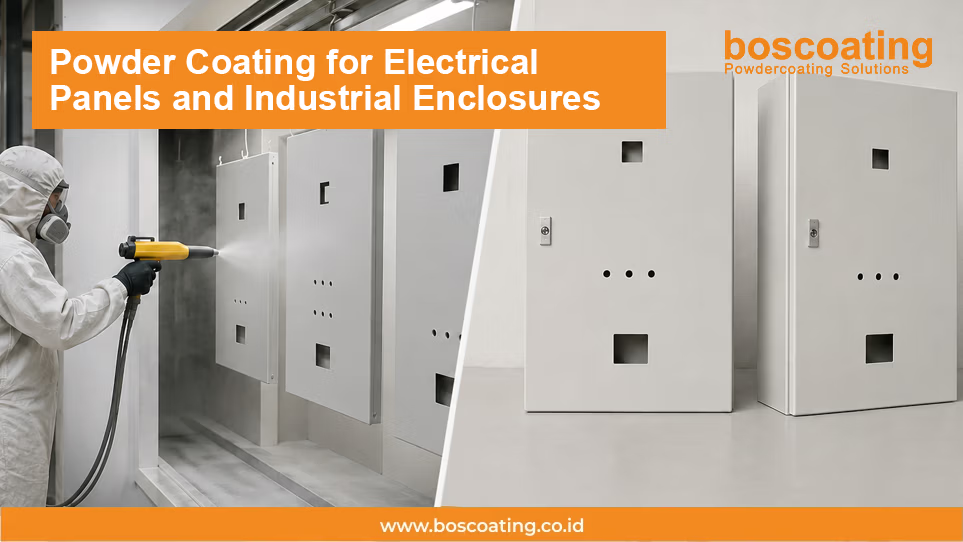
In industrial environments, electrical panels and enclosures play a critical role in protecting systems and ensuring safe operation. They are not just housings—they are part of a larger system that must withstand various environmental and operational conditions.
One important aspect that is often overlooked is surface finishing, particularly powder coating. Choosing the right coating system can significantly impact durability, appearance, and overall product lifespan. This article explains how powder coating is effectively used for electrical panels and industrial enclosures.
1. Difference Between Electrical Panels and Industrial Enclosures
Electrical panels are typically used to house components such as breakers, relays, and control systems. These panels can be designed for indoor or outdoor use. Industrial enclosures, however, have a broader function. They are commonly used for:
- Machine protection
- Safety guarding
- Covering specific work areas
- Protecting operators and equipment
Because of these different functions, coating requirements may also vary.
2. The Role of Powder Coating in These Applications
Powder coating serves as both a protective layer and a finishing solution. Its main roles include:
- Protecting against corrosion
- Withstanding industrial environments
- Maintaining a clean and professional appearance
- Extending product lifespan
In many cases, coating is not just an aesthetic choice—it is a functional requirement.
3. Coating Requirements for Indoor Panels
Indoor electrical panels operate in relatively stable environments. Typical conditions include:
- No direct exposure to rain or UV
- Exposure to dust and production particles
- Possible contact with oil or light contaminants
- Low to moderate corrosion risk
In these conditions, powder coating provides sufficient protection along with consistent visual quality.
4. Coating Requirements for Outdoor Panels
Outdoor panels face more demanding environmental conditions. Key factors include:
- Exposure to sunlight (UV)
- Rain and high humidity
- Temperature fluctuations
- Higher corrosion risk
Powder coating can be used for outdoor applications, provided the coating system is selected according to the environmental requirements.
5. Coating Requirements for Machine Enclosures and Safety Guarding
Unlike electrical panels, machine enclosures and safety guards are often placed in active production areas. Typical conditions include:
- Frequent physical contact
- Risk of light impacts
- Exposure to oil, dust, and particles
- High operator interaction
In these cases, the coating must provide good mechanical durability and surface protection.
6. Required Characteristics of Powder Coating
For panels and industrial enclosures, powder coating should meet several key characteristics:
- Uniform coating layer
- Good scratch resistance
- Color stability
- Resistance to general industrial conditions
These properties ensure that the coating performs well over time.
7. Common Finishing Types Used
In industrial applications, finishing choices are usually based on practicality and standardization. Common options include:
- Neutral colors such as gray, white, or black
- Matte or semi-gloss finishes
- Textured surfaces to help hide dirt
- Consistent appearance across multiple units
The right finish supports both aesthetics and maintenance.
8. Environmental Factors to Consider
Selecting the right coating system requires understanding the working environment. Important factors include:
- Indoor vs outdoor installation
- Production area vs non-production area
- Humidity levels
- Exposure to light chemicals
Matching the coating to the environment helps prevent premature failure.
9. Challenges in the Coating Process
Panels and enclosures often have complex geometries. Common challenges include:
- Folded edges and corners
- Internal areas of enclosures
- Coating distribution on complex shapes
- Maintaining consistent results
These factors require careful handling to ensure a uniform finish.
10. Comparison with Other Finishing Methods
Compared to liquid paint systems, powder coating offers several advantages:
- More consistent coating thickness
- Better resistance to normal wear
- Cleaner and more uniform appearance
- Lower maintenance requirements
However, the final choice should always be based on application needs.
11. When Powder Coating Is the Right Choice
Powder coating is suitable for:
- Indoor and semi-outdoor panels
- Machine enclosures in production areas
- Products requiring a clean, professional finish
- Projects that need a balance between cost and performance
Choosing the right system ensures optimal results.
12. The Role of Powder Coating in Product Value
Beyond protection, powder coating also enhances overall product value. Key benefits include:
- Improved visual quality
- Better durability
- Increased customer confidence
- Support for industry standards
A high-quality finish often becomes a key differentiator in the market.
Conclusion
Powder coating is an effective finishing solution for electrical panels and industrial enclosures, both for indoor and outdoor applications. By considering environmental conditions, product function, and performance requirements, powder coating can deliver the right balance between protection, appearance, and cost efficiency.
In practice, selecting the right coating system helps improve product quality, durability, and long-term value. For powder coating services in Surabaya and Sidoarjo, Boscoating provides reliable solutions tailored to industrial needs, ensuring consistent quality and performance for your projects.