Powder Coating Thickness and Its Effect on Durability
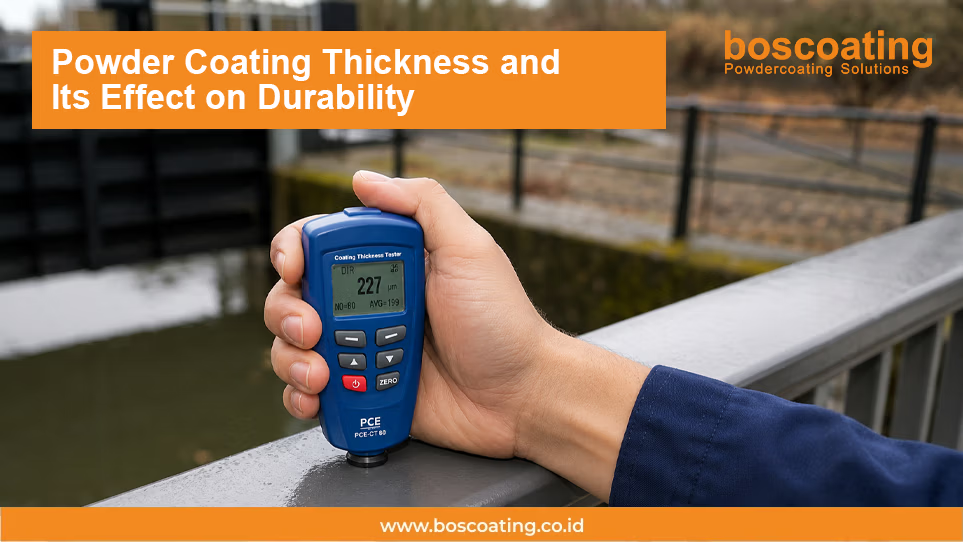
In industrial powder coating processes, coating thickness is one of the main factors that determines material durability. Proper thickness helps protect surfaces from corrosion, humidity, chemicals, and friction in industrial working environments.
On the other hand, improper coating thickness can cause the coating to crack, peel, deteriorate faster, or fail to provide maximum protection.
What Is the Ideal Powder Coating Thickness?
In general, industrial powder coating thickness standards are commonly within these ranges:
- 60–80 microns → standard indoor applications
- 80–120 microns → outdoor & heavy-duty industrial applications
- Above 120 microns → special applications requiring extra protection
The required thickness may vary depending on:
- Powder coating type
- Base material
- Operational environment
- Corrosion resistance requirements
In industrial applications, coating thickness is usually measured using a dry film thickness gauge to ensure consistent results.
The Effect of 60–80 Micron Thickness
A thickness of 60–80 microns is commonly used for:
- Indoor metal furniture
- Electrical panels
- Industrial racks
- Interior products
Advantages:
- Smoother finishing
- More efficient material usage
- Lower risk of orange peel effect
However, for heavy industrial environments, this thickness has more limited durability because its protection against humidity and corrosion is not as strong as thicker coatings.
The Effect of 80–120 Micron Thickness
A thickness of 80–120 microns is often considered the ideal standard for many industrial powder coating applications. Commonly used for:
- Outdoor structures
- Industrial equipment
- Conveyors
- Fences & railings
- Machine components
Advantages:
- Better corrosion resistance
- Improved abrasion protection
- More resistant to outdoor weather
- Longer durability
In industrial environments with high humidity or light chemical exposure, this thickness usually provides more optimal performance.
What Happens If the Coating Is Too Thin?
Powder coating below the recommended thickness can cause:
- Faster corrosion
- Easily scratched surfaces
- Reduced material protection
- Faster color fading
- Shorter coating lifespan
Corners and edges are usually the first areas to experience damage when the coating layer is too thin.
Therefore, thickness consistency is very important in industrial powder coating processes.
What Happens If the Coating Is Too Thick?
An excessively thick coating layer can also create problems such as:
- Cracking
- Orange peel effect
- Reduced adhesion
- Uneven surfaces
- Risk of improper curing
In some cases, coatings above 150 microns may fail more easily when exposed to impacts or extreme temperature changes. In addition, excessive thickness increases powder coating consumption and production costs.
The Relationship Between Thickness and Corrosion Resistance
The better the coating thickness, the greater the protection against:
- Air
- Water
- Humidity
- Environmental contaminants
The coating layer acts as a barrier protection system that prevents direct contact between metal surfaces and the surrounding environment.
However, coating durability is not determined by thickness alone. Other factors such as:
- Surface preparation
- Pretreatment
- Curing process
- Powder coating type
also strongly affect long-term coating performance.
The Importance of Coating Thickness Quality Control
In modern industries, coating thickness measurement is an important part of quality control. Some commonly used methods include:
- Dry Film Thickness (DFT) measurement
- Adhesion test
- Salt spray test
- Visual inspection
With proper thickness control, powder coating results become more consistent and achieve better durability.
Conclusion
Powder coating thickness has a major influence on industrial material durability and protection. In general:
- 60–80 microns are suitable for indoor applications
- 80–120 microns are ideal for many industrial and outdoor applications
- Excessive thickness is not always better
Proper coating thickness helps improve:
- Corrosion resistance
- Coating adhesion
- Weather resistance
- Material lifespan
Therefore, coating thickness control is an essential part of producing durable and high-quality industrial powder coating results.