Factors Affecting Industrial Powder Coating Pricing
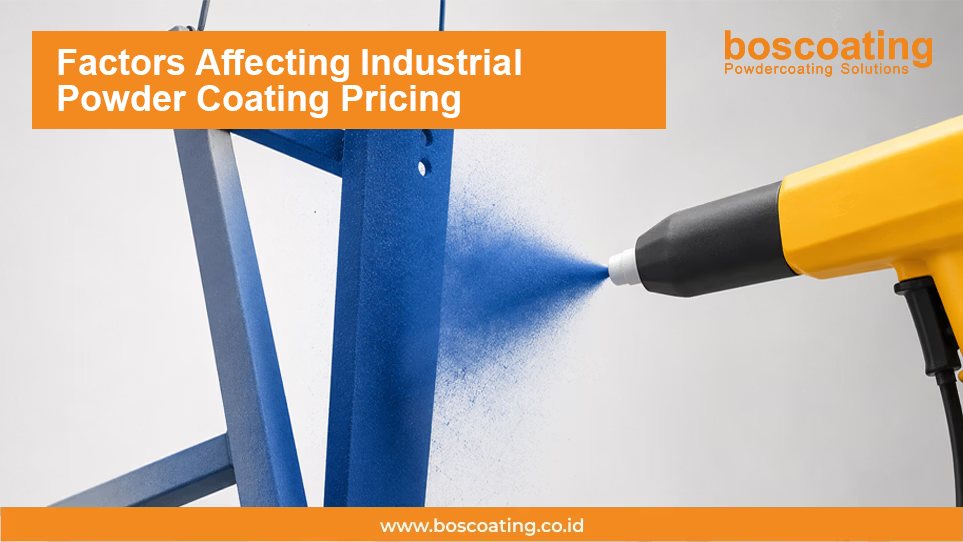
Factors That Affect the Cost of Powder Coating
In fabrication and manufacturing projects, the cost of powder coating is often a key consideration. However, determining the price is not as simple as calculating surface area alone. The cost is influenced by multiple technical factors and project requirements that are interconnected. Understanding these factors helps you make better decisions—not only in terms of cost, but also in quality and long-term performance.
Here are the main factors that affect the cost of powder coating.
1. Type and Condition of Material
The type of material being coated has a significant impact on cost. Key considerations include:
- Type of metal (steel, aluminum, etc.)
- Initial surface condition
- Presence of rust or oxidation
- Level of contamination (oil, dust, etc.)
Materials in poor condition typically require additional preparation, which increases overall cost.
2. Level of Surface Preparation
Surface preparation is a critical stage before the coating process. Factors that influence cost:
- Cleaning requirements
- Need for sandblasting
- Pretreatment processes
- Complexity of preparation
The more extensive the preparation, the higher the cost contribution.
3. Surface Area and Size
Surface area is one of the primary factors in cost calculation. This includes:
- Total surface area
- Product dimensions
- Volume of work
- Processing efficiency
Larger areas require more material and longer processing time.
4. Product Complexity
The shape and design of the product affect the coating process. Important aspects include:
- Simple or complex geometry
- Hard-to-reach areas
- Fine details and sharp edges
- Coating distribution challenges
More complex designs generally require more effort and time.
5. Required Coating Thickness
Coating thickness determines the level of protection. Factors include:
- Specified thickness
- Protection requirements
- Consistency across surfaces
- Impact on material usage
Thicker coatings require more material, increasing cost.
6. Type of Powder Coating Used
Not all powder coatings have the same performance characteristics. Selection depends on:
- Indoor or outdoor application
- Weather resistance requirements
- Specific technical needs
- Application specifications
Choosing the right coating type helps balance cost and performance.
Required Quality Standards
Each project may have different quality requirements. These include:
- Project or industry standards
- Required level of finish quality
- Testing requirements
- Tolerance for defects
Higher standards typically require stricter quality control, which affects cost.
8. Production Volume and Quantity
The number of parts being coated influences the cost per unit. Key considerations:
- Order quantity
- Production scale
- Process efficiency
- Cost per unit
Larger volumes often lead to better cost efficiency.
9. Additional Processes
Some projects require additional processes beyond standard coating. Examples include:
- Rework or recoating
- Multi-layer systems
- Special finishes
- Additional treatments
Each added step increases complexity and cost.
10. Location and Logistics
Logistics can also contribute to the overall cost. Factors include:
- Transportation distance
- Shipping costs
- Product handling
- Risk during transport
Project location can significantly affect total expenses.
11. Timeline and Project Deadlines
Time requirements can impact pricing. Considerations include:
- Urgent delivery needs
- Production prioritization
- Schedule adjustments
- Project deadlines
Tighter timelines may require adjustments that increase cost.
12. Client Specifications and Requirements
Each client may have unique requirements that influence the process. This includes:
- Special requests
- Additional technical specifications
- Application-specific needs
- Level of customization
More detailed specifications often lead to more complex processes.
Conclusion
The cost of powder coating is not determined by a single factor, but by a combination of technical and project-related considerations. From material condition and surface preparation to quality standards and production volume, each aspect plays a role in the final price.
Understanding these factors helps you:
- Plan your budget more accurately
- Align requirements with cost
- Avoid costly mistakes in project planning
In practice, selecting a coating solution is not just about finding the lowest price—it is about balancing cost, quality, and long-term durability. For powder coating services in Surabaya and Sidoarjo, Boscoating provides solutions tailored to your project needs, ensuring optimal results with the right balance of performance and cost.