Factors That Affect the Final Result of Powder Coating
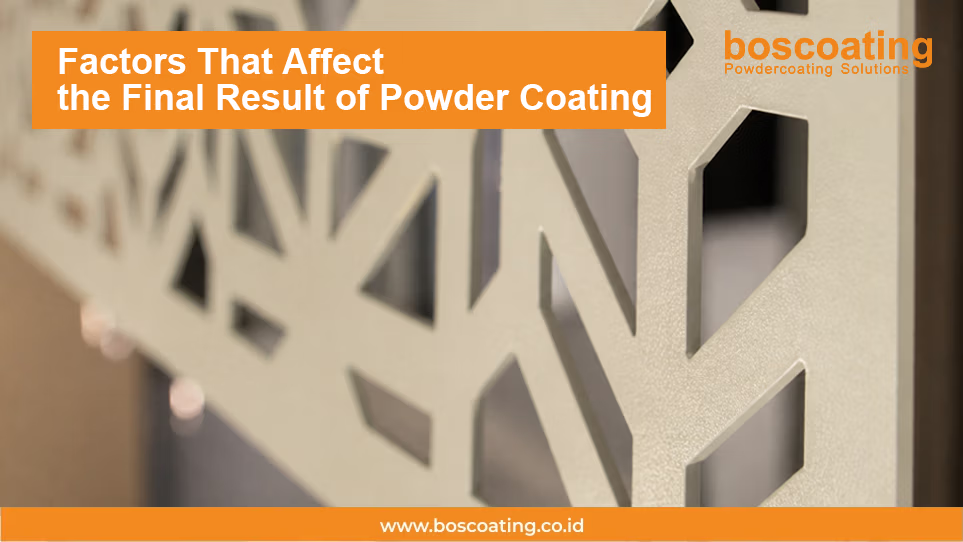
Powder coating is widely used in industrial manufacturing and metal fabrication due to its durability, consistent finish, and long-lasting protection. However, the final result of powder coating is not determined by a single factor.
There are multiple elements that influence the overall quality, from initial preparation to finishing and handling. Understanding these factors is essential to achieving optimal coating results for both indoor and outdoor applications.
1. Surface Preparation
Surface preparation is one of the most critical stages in the powder coating process. If the surface is not properly prepared, the coating will not adhere optimally, which can lead to premature failure.
Key considerations include:
- Surface cleanliness from oil, dust, and contaminants
- Proper cleaning before coating
- Mechanical cleaning such as sandblasting
- Chemical pretreatment processes
A clean and properly prepared surface ensures better adhesion and a more durable finish.
2. Base Material Condition
The condition of the base material plays an important role in the final coating result. Important factors include:
- Type of material (steel, aluminum, etc.)
- Initial surface condition
- Presence of rust or oxidation
- Surface roughness
Unstable or contaminated material surfaces can affect coating adhesion and long-term performance.
3. Type and Characteristics of Powder Coating
Not all powder coatings are the same in terms of quality and performance. The selection should be aligned with the application requirements, such as:
- Indoor or outdoor usage
- Weather resistance requirements
- Chemical resistance needs
- Technical specifications
Choosing the right powder coating ensures better durability and a more consistent finish.
4. Film Thickness

Coating thickness is a key factor in determining both protection and appearance.
If the coating is too thin:
- Insufficient protection
- Reduced durability
If the coating is too thick:
- Surface defects may occur
- Uneven appearance
A consistent and appropriate film thickness across the entire surface leads to better performance and visual quality.
5. Curing Process

The curing process is responsible for melting and bonding the powder into a solid coating layer. Factors that influence curing include:
- Curing temperature
- Curing time
- Heat distribution
- Process stability
Improper curing can result in incomplete curing, affecting both durability and coating performance.
6. Production Environment
The surrounding environment during coating application also affects the final result. Key environmental factors include:
- Air humidity
- Room temperature
- Cleanliness of the working area
- Risk of dust or particle contamination
Uncontrolled environments can lead to surface defects such as pinholes, uneven texture, or contamination marks.
7. Quality Control
Quality control is essential to ensure that the coating meets required standards. Common quality checks include:
- Visual inspection of the surface
- Coating thickness measurement
- Adhesion testing
- Color and texture consistency checks
Proper quality control helps minimize defects before the product reaches the customer.
8. Handling and Storage
After the coating process, proper handling is crucial to maintain coating quality. Consider the following:
- Handling after curing
- Storage conditions
- Risk of scratches or impact
- Protection during transportation
Improper handling can damage the coating surface even after a perfect application process.
9. Product Design and Geometry
The design and shape of the product can significantly affect coating results. Factors include:
- Product complexity
- Hard-to-reach areas
- Sharp edges and fine details
- Coating distribution on complex geometries
More complex designs require greater attention to ensure uniform coating coverage.
10. Project Standards and Specifications
Every project comes with different standards and requirements. This includes:
- Indoor or outdoor application needs
- Industry standards
- Client specifications
- Required performance levels
Aligning the coating process with the correct standards ensures the final result meets expectations.
Conclusion
The final quality of powder coating is the result of multiple interconnected factors. From surface preparation and material condition to coating type and quality control, each stage plays an important role in achieving a durable and consistent finish.
A proper understanding of these factors helps ensure that the coating delivers:
- Consistency
- Durability
- Aesthetic quality
- Application suitability
For professional powder coating services in Surabaya and Sidoarjo, Boscoating provides solutions focused on quality, consistency, and long-term performance.