Selecting Metal Interior Finishing Matte Glossy or Textured
Jika proyek membutuhkan konsistensi warna dan tampilan, penggunaan physical sample sebelum produksi juga sangat disarankan. Pada akhirnya, surface finish yang tepat adalah finishing yang mampu menyeimbangkan visual appeal, function, durability, dan karakter ruang.
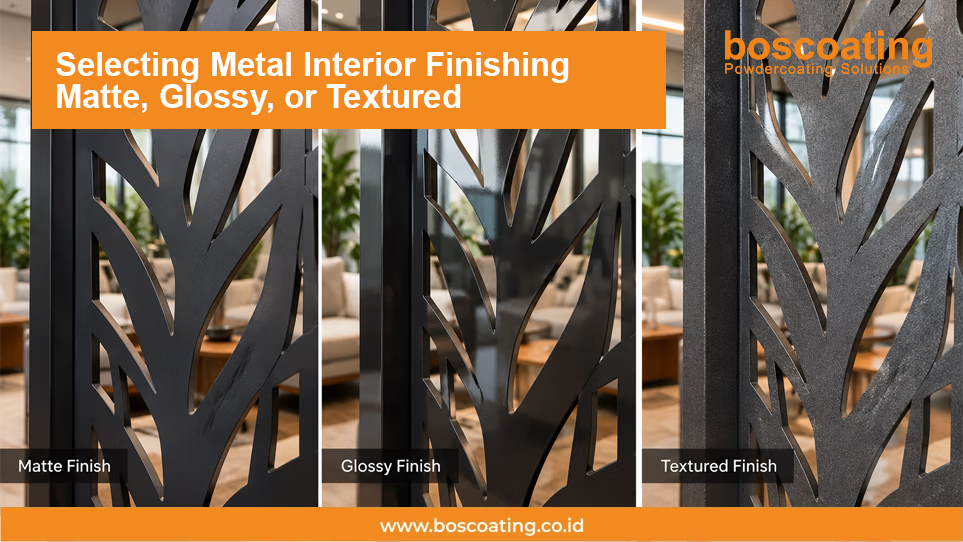
Two products with the same color can look completely different when finished with a matte, glossy, or textured surface. This difference occurs because each surface reflects light differently and creates a distinct visual character.
For this reason, choosing a surface finish should not simply follow current trends. The interior style, lighting conditions, product function, and maintenance requirements should also be considered.
Why Is Surface Finish Important for Interior Metal?
Surface finish determines how light interacts with the metal surface. A very smooth and glossy surface reflects more light, while a matte surface diffuses light and creates a softer reflection. A textured finish adds another dimension through patterns or texture across the surface.
These differences can affect:
- The visual character of the product.
- Color perception.
- Light reflection.
- The overall feel of the space.
- The appearance of product details and geometry.
- The relationship between metal and other interior materials.
In other words, surface finish is part of the design, not simply a technical choice made at the final finishing stage.
Matte Finish
Matte finishes have relatively low light reflection, creating a softer and more understated appearance. This characteristic makes matte finishes popular in interiors that use a simple and modern design approach.
Some characteristics of matte finishes include:
- Lower light reflection.
- Softer appearance.
- Modern character.
- Less visually dominant.
- Suitable for minimalist and contemporary concepts.
Matte surfaces can also help reduce glare in areas exposed to direct lighting. For interiors intended to create a calm atmosphere without excessive reflective elements, matte can be an attractive choice.
However, matte does not mean maintenance-free. Dirt, oil, or fingerprints can still become visible depending on the color and type of surface.
Glossy Finish
Unlike matte, glossy finishes have a higher level of light reflection. This reflective quality gives the surface a more polished appearance and can create a clean or premium impression.
Some characteristics of glossy finishes include:
- Higher light reflection.
- Stronger color appearance.
- Polished look.
- Ability to become a focal point.
- Suitable for elements intended to stand out.
Glossy finishes can work well in modern interiors, commercial spaces, retail environments, and areas where a stronger visual accent is desired.
However, glossy surfaces also make reflections more noticeable. Depending on the application, fingerprints, scratches, and surface imperfections may also be easier to see. For this reason, glossy finishes should be selected with the product's location and usage in mind.
Textured Finish
Textured finishes offer a different character because the surface contains a specific texture or pattern. In addition to creating a more dimensional appearance, texture can also provide a different tactile experience when the surface is touched.
Some characteristics of textured finishes include:
- Visible surface texture or patterns.
- More dimensional appearance.
- Stronger visual character.
- Suitable for industrial and contemporary concepts.
- Can help disguise some minor surface imperfections.
Textured finishes can be an interesting choice when a metal element needs more character than a conventional smooth surface.
However, the scale of the texture should also be considered. A very strong texture may look disproportionate on a small product, while an extremely subtle texture may not create the desired visual effect on a large surface.
How Do Matte, Glossy, and Textured Finishes Affect Color?
Interestingly, the same color can look different depending on the surface finish. For example, black with a matte finish can create a softer and more understated appearance. Black with a glossy finish may appear deeper and more polished, while textured black can create a stronger and more industrial character.
In general:
- Matte : Tends to produce a softer color appearance.
- Glossy : Can make colors appear more vivid because of stronger light reflection.
- Textured : Creates a more dimensional visual effect because of the surface pattern or texture.
Therefore, selecting a color without considering the surface finish does not provide a complete picture of the final product.
Match the Finish to the Interior Style
Surface finish should be considered as part of the overall interior concept.
- Minimalist : Matte is often a suitable choice because of its simple appearance and relatively low light reflection.
- Modern : Both matte and glossy finishes can work well, depending on whether the element should remain subtle or become more prominent.
- Industrial : Textured finishes can provide stronger character and complement the use of metal in industrial-style interiors.
- Contemporary : Different surface finishes can be combined to create contrast between interior elements.
- Luxury : Glossy finishes can be used as accents in selected areas, while matte surfaces can provide visual balance.
There is no strict rule that one interior style must use only one type of finish. In fact, the right combination can create a more sophisticated design.
Consider the Lighting
Lighting is one factor that is often overlooked when selecting a surface finish. Glossy surfaces can create strong reflections when exposed to direct light. In some areas, these reflections can become part of the design, while in others they may create distracting glare.
Matte surfaces, on the other hand, generally produce softer reflections. Types of lighting to consider include:
- Natural light.
- Direct artificial lighting.
- Indirect lighting.
- Spotlights.
- Ambient lighting.
The position of the product relative to the light source can also affect how the finish appears. Therefore, whenever possible, samples should be viewed under lighting conditions similar to those of the actual installation location.
Consider How the Product Will Be Used
The way an interior metal element is used should also influence the choice of surface finish. For products that are frequently touched, such as furniture, railings, handles, or certain fixtures, the condition of the surface during everyday use should be considered.
For decorative panels that are rarely touched, visual considerations may carry more weight. Some simple questions can help:
- Will the surface be touched frequently?
- Is the product located in a high-traffic area?
- Will the surface be cleaned frequently?
- Is the product primarily decorative?
- Will the product become a focal point?
Understanding the actual application makes it easier to select a surface finish that is appropriate for both appearance and use.
Matte, Glossy, or Textured: Which One Is Right?
There is no single finish that is always better than the others. The right choice depends on the design objective and application requirements.
Choose Matte if:
- You want a subtle appearance.
- You prefer a modern or minimalist character.
- You want to reduce light reflection.
Choose Glossy if:
- You want a polished appearance.
- You want colors to appear more vivid.
- You want the metal element to become a visual focal point.
Choose Textured if:
- You want a stronger surface character.
- You prefer an industrial or contemporary appearance.
- You want to add visual and tactile dimension.
The most important consideration is to treat the surface finish as part of the overall interior design.
Don't Rely Only on What You See on a Screen
One of the challenges when selecting colors and surface finishes is the difference between how they appear on a screen and how they look physically. Monitors, cameras, lighting, and color settings can all affect how a color appears.
This is particularly relevant for textured finishes, whose surface characteristics can be difficult to represent accurately in photographs. For projects where visual consistency is important, it is therefore recommended to use a physical sample before production.
If possible, evaluate the sample in the actual interior environment and under the lighting conditions where the product will be installed. This provides a much more accurate impression of the final result.
You Don't Have to Use Just One Finish
An interior does not necessarily need to use the same surface finish for every metal element. Different finishes can be combined to create visual hierarchy and contrast.
For example:
- Matte as the primary finish.
- Glossy as an accent.
- Textured as a focal element.
This approach can make an interior feel more dynamic without requiring too many different colors. However, combinations should still be carefully planned so that the overall space remains visually balanced.
Conclusion
Matte, glossy, and textured finishes each have their own characteristics. Matte creates a softer and more understated appearance, glossy produces a more polished and reflective look, while textured finishes provide stronger visual and tactile character.
The choice should not be based solely on trends or reference photographs. Interior style, lighting, product function, usage intensity, and maintenance requirements should also be considered.
For projects that require consistent color and appearance, using a physical sample before production is highly recommended.
Ultimately, the right surface finish is one that successfully balances visual appeal, function, durability, and the character of the space.