Relationship Between Welding Quality and Powder Coating
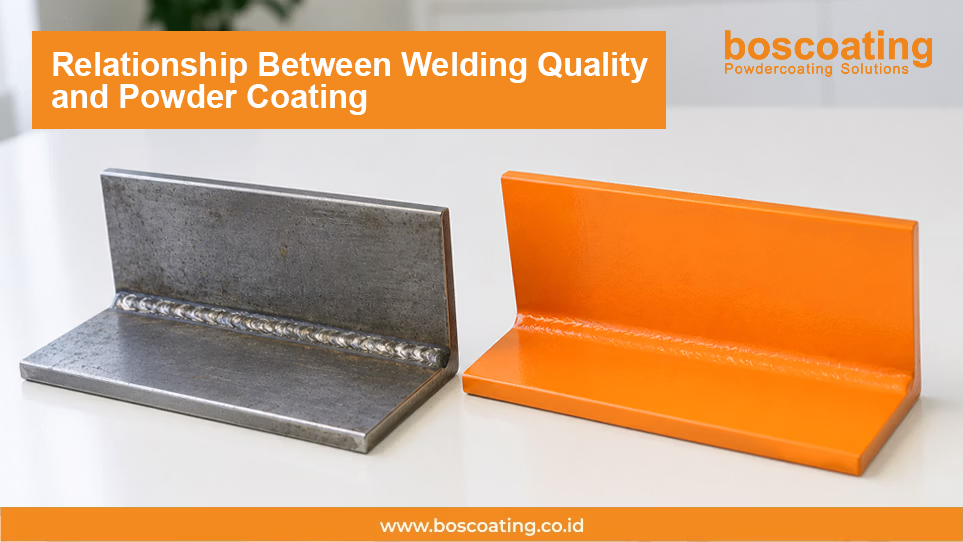
Powder coating is widely recognized as one of the most durable and attractive finishing methods for metal products. It provides excellent corrosion resistance, consistent color, and a clean, professional appearance. However, achieving a high-quality powder-coated finish depends on more than just the coating process itself.
One of the most important factors that determines the final appearance of a powder-coated product is the quality of the welding. Even with premium powder coating materials and a well-controlled application process, poor welding workmanship can still affect the final result.
In this article, we'll discuss why welding quality plays such an important role in powder coating and how proper fabrication can help achieve a smoother, more durable finish.
Why Does Welding Quality Affect Powder Coating?
Powder coating is designed to protect and enhance the appearance of metal surfaces. However, it does not alter or correct the shape of the substrate underneath.
Unlike body filler or putty, powder coating follows the existing contours of the metal. Any imperfections created during fabrication will remain visible after the coating has been applied.
This means that:
- This means that:
- Welding defects will still be noticeable.
- Rough grinding marks may still appear after coating.
- Surface irregularities will become more visible under certain lighting conditions.
Simply put, the better the welding quality, the better the final powder coating result.
Common Welding Issues That Can Affect Powder Coating
Several welding imperfections can reduce the visual quality of a powder-coated product if they are not addressed during fabrication.
1. Excessive Weld Beads
Large or inconsistent weld beads create uneven surfaces that remain visible even after powder coating. Smooth and consistent weld profiles generally produce a cleaner appearance.
2. Weld Spatter
Small metal particles generated during welding often stick to nearby surfaces. If these weld spatters are not removed before coating, they can create bumps and rough textures on the finished product.
3. Weld Porosity
Porosity refers to tiny holes or cavities formed during the welding process. Powder coating cannot fill these imperfections, making them visible after finishing.
4. Undercut Defects
Undercut occurs when the base metal is melted away along the edge of the weld, leaving a groove. This defect not only affects structural integrity but may also reduce the overall appearance after coating.
5. Rough Grinding Marks
Grinding is commonly performed to smooth welded joints. However, if the grinding process leaves deep scratches or an uneven surface, these marks may still be visible beneath the powder coating.
6. Uneven Weld Joints
Poor alignment between welded components can create noticeable gaps or uneven transitions. Since powder coating simply follows the existing surface, these inconsistencies remain visible after curing.
Surface Preparation Is Just as Important
Before powder coating begins, welded products should undergo proper surface preparation to ensure the best possible finish. Typical preparation steps include:
- Removing weld spatter.
- Smoothing weld joints through grinding.
- Cleaning welding slag and oxidation.
- Eliminating sharp edges.
- Removing oil, grease, dirt, and contaminants.
Proper surface preparation not only improves the appearance of the finished product but also helps the powder coating adhere more effectively to the metal surface.
Powder Coating Cannot Hide Fabrication Defects
One common misconception is that powder coating can hide fabrication mistakes.
In reality, powder coating is a protective and decorative finish—not a repair material. It cannot:
- Fill welding holes.
- Cover large surface imperfections.
- Hide deep grinding scratches.
- Correct uneven welds.
- Repair poor fabrication workmanship.
Instead, powder coating often highlights the overall quality of the fabricated product. A well-fabricated metal component typically results in a much cleaner and more professional finish.
Benefits of High-Quality Welding Before Powder Coating
Investing time in proper welding and fabrication before powder coating provides several long-term advantages.
1. Smoother Surface Finish
Clean welds and properly prepared surfaces produce a more uniform and visually appealing finish.
2. Better Overall Appearance
Customers often judge product quality based on appearance. High-quality welding combined with powder coating creates a professional-looking product that reflects excellent craftsmanship.
3. Improved Coating Adhesion
A properly prepared surface allows the powder coating to bond more effectively, contributing to long-lasting performance.
4. Reduced Rework
Correcting welding defects after powder coating is both difficult and expensive. Good fabrication practices minimize the need for additional repairs and refinishing.
5. Higher Customer Satisfaction
Products with clean welds and consistent finishes inspire greater confidence and leave a stronger impression on customers.
Products That Require Good Welding for Excellent Powder Coating Results
Many fabricated metal products rely heavily on welding quality to achieve a premium powder-coated finish, including:
- Machine guarding
- Conveyor frames
- Industrial machine frames
- Warehouse racks
- Metal furniture
- Steel fences and gates
- Handrails
- Electrical enclosure boxes
- Industrial brackets
- Solar panel mounting structures
For these products, both structural strength and visual appearance are equally important.
Tips Before Sending Fabricated Products for Powder Coating
To achieve the best powder coating results, fabricators should complete several quality checks before sending products to the coating facility. Some recommended practices include:
- Remove all weld spatter.
- Smooth welded joints where necessary.
- Eliminate welding slag and oxidation.
- Clean oil, grease, and dirt from the surface.
- Inspect for weld porosity or other defects.
- Ensure components are properly aligned.
- Discuss any critical cosmetic areas with the powder coating provider.
Taking these steps can significantly improve the final appearance while reducing the likelihood of rework.
Conclusion
Powder coating is one of the best finishing solutions for protecting metal products against corrosion while providing an attractive, professional appearance. However, the quality of the final finish starts long before the coating process itself.
High-quality welding, careful grinding, and proper surface preparation all contribute to a smoother and more durable powder-coated finish. Since powder coating follows the contours of the metal rather than hiding imperfections, fabrication quality remains one of the most important factors in achieving outstanding results.
By combining skilled welding practices with a professional powder coating process, manufacturers can produce metal products that are not only stronger but also more visually appealing and built to last.