Powder Coating for Guarding and Safety Barriers Industry
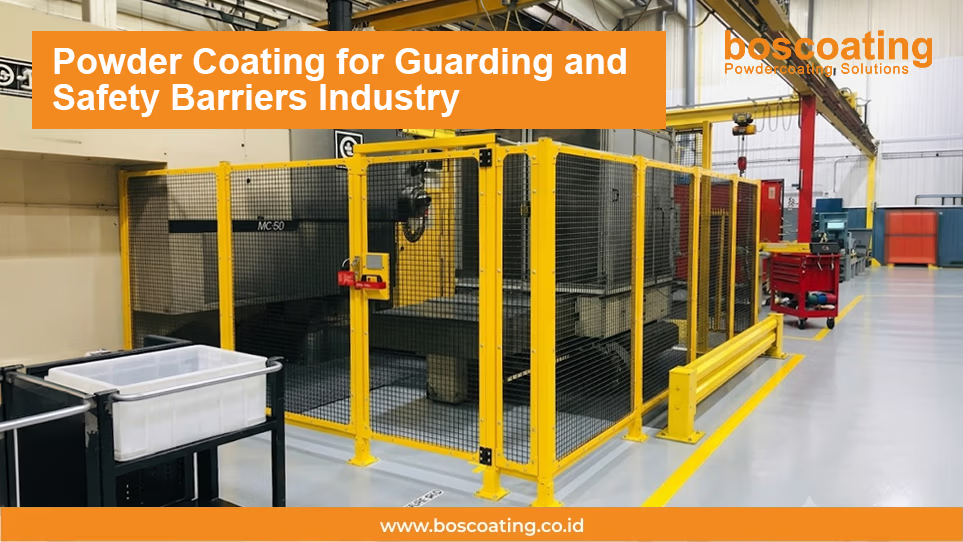
In modern industrial environments, guarding and safety barriers are essential components of workplace safety systems. These structures not only serve as physical barriers but also help protect operators from hazardous areas, moving machinery, and production processes that may pose safety risks.
Since guarding and safety barriers are commonly fabricated from metal, they require adequate surface protection to ensure durability and maintain their appearance throughout their service life. One of the most widely used finishing solutions for this purpose is powder coating.
In addition to providing corrosion protection, powder coating helps create a professional appearance while supporting visual safety identification within production areas.
What Are Guarding and Safety Barriers?
Guarding and safety barriers are commonly found in manufacturing and industrial facilities. Typical applications include:
- Machine guarding
- Conveyor guarding
- Safety fencing for automated systems
- Robotic cell barriers
- Work area and operational zone dividers
Their primary purpose is to create a safer working environment for both operators and equipment.
Although guarding serves the same fundamental purpose across industries, its implementation varies depending on machine characteristics, the level of automation, and potential workplace hazards. For example, guarding used on conveyor systems has different requirements from guarding designed for robotic cells, CNC machines, or automated packaging lines. Therefore, the design and specifications of a guarding system should be tailored to each production process to ensure optimal protection. Learn more about the use of safety guarding across various modern industries to understand how these systems are implemented in different manufacturing environments.
Why Is Finishing Important for Guarding and Safety Barriers?
Although their primary function is safety, the physical condition of guarding and safety barriers remains important. A proper finishing system helps:
- Protect metal surfaces
- Reduce the risk of corrosion
- Maintain a clean and professional appearance
- Support a longer service life
Over time, effective surface protection can also help reduce maintenance requirements.
Characteristics of Industrial Working Environments
Guarding and safety barriers are typically installed in areas with high levels of activity. These environments often involve:
- Active production operations
- Exposure to dust and airborne particles
- Frequent operator movement
- Material handling activities
As a result, the coating system must withstand everyday industrial use.
The Role of Powder Coating in Corrosion Protection
One of the primary functions of powder coating is protecting metal against corrosion. For guarding and safety barriers, powder coating helps:
- Reduce direct exposure of metal to the environment
- Slow the corrosion process
- Preserve structural integrity over time
- Maintain product appearance
This is particularly important in environments with elevated humidity or continuous operation.
Resistance to Scratches and Physical Contact
Guarding and safety barriers frequently experience physical interaction during normal operations. Common examples include:
- Maintenance activities
- Material movement
- Contact with tools and equipment
- Routine operator interaction
Powder coating provides a durable surface layer that helps maintain appearance and protection under normal working conditions.
Color Consistency for Safety Applications
In industrial facilities, color serves a purpose beyond aesthetics. It is often used for:
- Work area identification
- Hazard zone marking
- Operational boundary indication
- Supporting visual safety systems
For this reason, color consistency is an important consideration for guarding and safety barriers.
In addition to improving visibility, the proper use of colors helps establish a consistent visual identification system throughout the production area. Color selection is typically based on the function of each area or piece of equipment, enabling operators to quickly recognize potential hazards and navigate the workplace more safely. Read our guide to choosing industrial safety colors in powder coating to learn the recommended color standards for a wide range of industrial applications.
Commonly Used Colors
Color selection typically depends on operational requirements and company standards. Common choices include:
- Safety yellow
- Black
- Yellow-and-black combinations
- Company-specific colors
In addition to visual identification, appropriate colors help create a more organized and professional workplace.
Common Applications of Guarding and Safety Barriers
Powder coating is widely used for various industrial safety systems. Examples include:
- Machine guarding
- Conveyor guarding
- Safety fencing for automation systems
- Robotic work cells
- Production area barriers
Because these systems are used extensively throughout industrial facilities, durable finishing becomes increasingly important.
Factors to Consider Before Coating
Several factors should be evaluated before selecting a coating system. These include:
- Indoor or outdoor installation
- Environmental humidity levels
- Usage intensity
- Visual and identification requirements
Selecting the right coating solution helps ensure optimal long-term performance.
Challenges in Coating Guarding and Safety Barriers
From a fabrication perspective, guarding and safety barriers often feature complex structures. Common challenges include:
- Numerous corners and joints
- Wire mesh or perforated metal sections
- Various frame configurations
- Maintaining coating consistency
Therefore, the coating process must be properly executed to ensure uniform coverage and protection.
When Is Powder Coating the Right Choice?
Powder coating is an excellent option when the application requires:
- Metal surface protection
- A professional appearance
- Resistance to everyday industrial use
- A balance between cost and performance
For many guarding and safety barrier applications in general industrial environments, powder coating provides an effective finishing solution.
Although powder coating is an effective finishing solution for many industrial applications, not every component has the same requirements. Factors such as the operating environment, level of corrosion exposure, frequency of use, and aesthetic requirements should all be considered when selecting the most appropriate finishing method. Learn more about when to use powder coating in industrial applications to better understand the conditions and scenarios where this finishing technology delivers the greatest value.
Impact on Product Value and Safety
Beyond protection, powder coating contributes to the overall quality of the safety system. Key benefits include:
- A more professional appearance
- Extended service life
- Clearer visual identification
- Improved perception of quality
In many industrial projects, durability and appearance go hand in hand with safety requirements.
Conclusion
Guarding and safety barriers are critical components of industrial safety systems. Since they are typically constructed from metal, surface protection is an important factor in ensuring long-term performance.
Powder coating offers a combination of corrosion protection, resistance to everyday industrial use, and a clean, professional appearance. When the appropriate coating system is selected, guarding and safety barriers can maintain both their functional performance and visual quality over an extended period.
For powder coating services for guarding, safety barriers, and other industrial components in Surabaya and Sidoarjo, Boscoating provides reliable coating solutions tailored to the specific requirements of each project and operating environment.