Metal Finishes for Minimalist Homes Durable and Clean Look
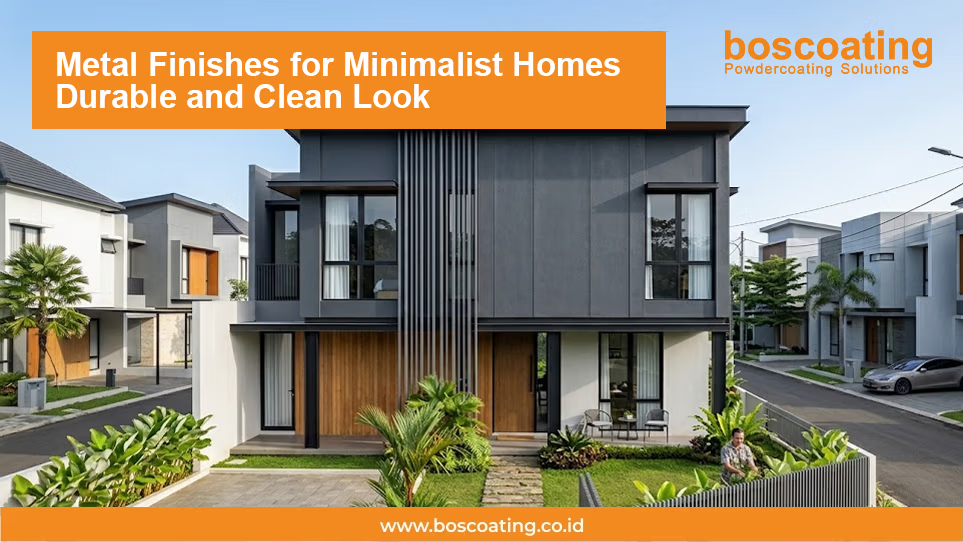
Minimalist homes are characterized by simple forms, clean lines, restrained colors, and carefully selected materials. In this type of design, every element typically has a clear function while also contributing to the overall appearance of the home.
Metal is a popular material for minimalist homes. Gates, railings, canopies, frames, partitions, and furniture can all incorporate metal to create a modern and clean appearance.
However, choosing the right metal and designing the right shape is only part of the process. The right finish also plays an important role in determining the appearance and durability of metal elements.
The Role of Metal in Minimalist Homes
Metal works particularly well with minimalist architecture because it can be fabricated into simple and precise forms. Straight metal profiles can create clean visual lines without requiring excessive ornamentation. Metal can also be easily combined with other materials such as wood, glass, concrete, and natural stone.
Within a home, metal can serve as:
- An architectural element.
- A functional component.
- A decorative element.
- A visual accent.
With the right design, metal can add character to a home without making the overall appearance feel overly complicated.
Why Is Finishing Important?
Metal used in a home requires suitable surface protection, particularly when it is installed outdoors. A suitable finish can help:
- Protect the metal surface.
- Reduce the risk of corrosion.
- Maintain a clean appearance.
- Improve resistance to everyday use.
- Make maintenance easier.
- Extend the service life of metal elements.
In addition to protection, the finish determines how the metal looks after installation. This becomes particularly important in minimalist homes because simple designs make surface details and color consistency more noticeable.
Common Metal Elements in Minimalist Homes
Many elements in a minimalist home can incorporate metal. Examples include:
- Gates.
- Entrance gates.
- Stair railings.
- Handrails.
- Canopies.
- Door and window frames.
- Shelving.
- Metal partitions.
- Metal furniture.
- Decorative metal elements.
Each application has different requirements. Gates and canopies, for example, are installed outdoors and must withstand rain and sunlight. Furniture and interior partitions experience very different conditions.
Therefore, the finishing system should be selected based on the function and installation environment.
Choosing Colors for a Minimalist Concept
Color is one of the most important aspects of minimalist home design. Simple and neutral colors are generally easy to combine with different architectural elements.
Common choices include:
- Black : Black can create a modern, bold, and elegant appearance. It also works well with glass, wood, concrete, and light-colored walls.
- White : White creates a clean and lightweight appearance. It can be used when the metal element is intended to blend more naturally with the overall building.
- Grey : Grey is a flexible choice that can create a contemporary appearance without becoming too dominant.
- Neutral Tones : Neutral tones can help create a calm atmosphere and work well with natural materials.
However, minimalist homes do not have to rely exclusively on neutral colors. A specific color can also be used as an accent as long as it remains integrated with the overall design concept.
Match the Finish with Other Materials
Metal rarely stands alone in a home. It is usually combined with other materials. The combination of metal and wood can create a balance between modern and natural characteristics.
Metal and glass can produce a clean and contemporary appearance. Meanwhile, combining metal with concrete can reinforce a minimalist or industrial character.
Natural stone can also be combined with metal to create contrast between materials with different visual qualities. For this reason, the color and finish of metal should be selected while considering the surrounding materials.
Indoor and Outdoor Applications Have Different Requirements
Installation location is an important factor when selecting a finishing system. Interior metal elements are generally more protected from rain and direct sunlight. Exterior elements, on the other hand, are exposed to more demanding environmental conditions.
For outdoor applications, factors to consider include:
- Rain exposure.
- Humidity.
- Sunlight.
- Dust.
- Temperature changes.
- Surrounding environmental conditions.
For interior applications, greater attention may be given to everyday use, scratches, frequent contact, and ease of cleaning. Understanding the actual installation environment helps ensure that the finishing system is selected appropriately.
Powder Coating for Residential Metal Elements
Powder coating is one finishing option that can be used for various metal elements in minimalist homes. The process involves applying powder coating material to the metal surface and then curing it to form a coating layer.
Some reasons powder coating can be considered for residential applications include:
- Wide range of color options.
- Consistent appearance.
- Surface protection.
- Suitable for various fabricated metal shapes.
- Suitable for custom projects.
Powder coating can be used for both interior and exterior applications, provided that the coating system and preparation process are appropriate for the intended environment.
Consider Product Shape and Details
Minimalist homes often rely on simple designs. Because there are fewer decorative elements, the quality of the details becomes more visible. Joints, corners, welds, and metal surfaces can all contribute to the final appearance of a product.
For this reason, fabrication quality before coating is also important. Some factors to consider include:
- Clean lines.
- Consistent profiles.
- Neat corners and joints.
- Quality welded joints.
- Surfaces properly prepared for finishing.
Powder coating is not intended to correct poor fabrication. The coating follows the contours of the surface underneath it. In other words, a good finishing result starts with good fabrication.
Maintaining Finished Metal
Even a well-applied finish requires proper maintenance to preserve its appearance over time. Simple maintenance for residential metal elements may include:
- Cleaning dust and dirt regularly.
- Inspecting surfaces for scratches or damage.
- Avoiding unsuitable cleaning products.
- Addressing damaged coating areas promptly.
For exterior elements, regular inspection is particularly important because the surfaces are continuously exposed to environmental conditions. Consistent maintenance can help preserve both the appearance and performance of the finish.
Common Mistakes to Avoid
Several mistakes should be avoided when selecting finishes for metal elements in minimalist homes.
- Choosing Only Based on Color : Color is important, but it should not be the only consideration. Installation environment, substrate, and durability requirements should also be evaluated.
- Ignoring Environmental Conditions : The finish required for an outdoor gate may not be the same as the finish suitable for indoor furniture.
- Ignoring Surface Preparation : Poorly prepared surfaces can affect coating adhesion and the overall quality of the finished product.
- Overlooking Fabrication Quality : Weld spatter, rough surfaces, and poorly finished joints can remain visible after coating.
- Not Using a Sample : For projects involving multiple metal elements, using a physical sample can help confirm that the color and appearance meet expectations before the entire production is processed.
Determine the Finish During the Design Stage
Finishing should not be treated as a decision made only after the product has been fabricated. Several specifications can be determined from the beginning, including:
- Material selection.
- Material selection.
- Installation location.
- Color.
- Surface finish.
- Required durability.
- Areas requiring masking.
- Installation method.
Communication between the homeowner, designer, architect, fabricator, and coating provider can help ensure that the final product meets the project requirements. It can also reduce the risk of changes to colors or specifications after production has already begun.
Conclusion
Metal finishing is an important part of minimalist home design. Because minimalist architecture emphasizes simplicity and clean lines, the quality of the material and finish becomes even more noticeable.
The finishing system should be selected based on aesthetics as well as function, material, installation environment, durability, and maintenance requirements.
Powder coating is one option for various residential metal elements, from gates and railings to canopies, furniture, shelving, and decorative components.
By determining the finishing specifications during the design stage and ensuring proper fabrication and surface preparation, metal elements can achieve a clean, consistent appearance that complements the character of a minimalist home.